Blog
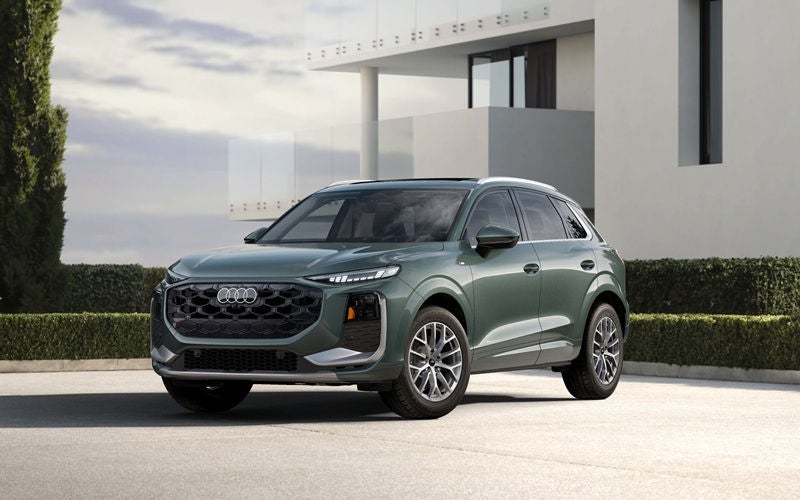
2026 Audi Q3: Winter Rim Size for Safety and Performance
The new Audi Q3 combines luxury, performance, and versatility in a compact SUV package. When winter arrives with snow, ice, and freezing temperatures, selecting the right wheel and tire combination becomes essential for safety and performance. Understanding your options for winter rim sizes helps you make informed decisions that balance traction, comfort, and protection for your investment.
Standard Wheel Sizes for the 2026 Audi Q3
The Audi Q3 comes equipped with different wheel sizes depending on your selected trim level. The standard configuration includes 18-inch aluminum-alloy wheels with a multi-spoke design. These factory wheels provide an attractive appearance while delivering balanced performance across all seasons.
Higher trim levels may offer larger wheel options, including 19-inch and 20-inch configurations, for drivers seeking a more aggressive stance and enhanced visual appeal. However, when winter conditions arrive, many drivers choose to downsize their wheel diameter for winter tire applications.
Why Consider Smaller Rims for Winter?
Enhanced Tire Sidewall Height
Downsizing your wheel diameter for winter provides several practical advantages. A smaller rim allows for a taller tire sidewall, creating a larger air cushion between the wheel and the road surface. This additional sidewall height absorbs impacts from potholes, ice chunks, and road irregularities that become more common during winter months.
The increased sidewall flexibility also improves ride comfort on rough winter roads. Your Q3 maintains better composure over uneven surfaces, reducing jarring impacts that can damage wheels or suspension components.
Better Winter Tire Selection
Smaller wheel diameters open up more winter tire options from leading manufacturers. The 17-inch wheel size offers the widest selection of dedicated winter tires specifically engineered for cold-weather performance. These tires feature specialized rubber compounds that remain flexible in freezing temperatures and aggressive tread patterns that bite into snow and ice.
Cost Considerations
Winter tires in smaller sizes typically cost less than larger diameter options. The difference in tire expense between 17-inch and 20-inch winter tires can be substantial, especially when purchasing a complete set of four. Lower replacement costs make winter tire ownership more affordable over the long term.
Smaller wheels also reduce the risk of expensive wheel damage from winter road hazards. Bent or cracked wheels require costly repairs or replacement, making the protection offered by taller sidewalls a valuable benefit.
Recommended Winter Rim Size: 17 Inches
The Ideal Winter Setup
For the Audi Q3, 17-inch wheels are the optimal winter rim size. This diameter provides the perfect balance between performance, protection, and practicality. The 17-inch setup allows you to mount winter tires with adequate sidewall height while maintaining proper speedometer calibration and avoiding clearance issues with brake components.
A common 17-inch winter wheel specification for the Q3 includes:
Wheel diameter: 17 inches
Wheel width: 7.5 inches (7.5J)
Offset: ET38 to ET40
Bolt pattern: 5x112mm
Center bore: 57.1mm
This specification ensures proper fitment without modifications while providing adequate clearance for the Q3 brake callipers and suspension components.
Popular Winter Tire Sizes for 17-Inch Wheels
The most common winter tire size for 17-inch wheels on the Q3 is 215/65R17. This size provides excellent winter performance characteristics:
215mm section width: Adequate contact patch for traction
65 aspect ratio: Tall sidewall for impact protection
17-inch diameter: Fits standard winter wheel packages
The 215/65R17 size maintains overall diameter close to the original equipment specifications, ensuring accurate speedometer readings and proper vehicle dynamics. The taller sidewall compared to summer tire fitments provides the cushioning and flexibility that benefit winter driving conditions.
Alternative Winter Wheel Sizes
18-Inch Winter Wheels
Some drivers prefer 18-inch wheels for winter, particularly to minimize the visual difference between summer and winter setups. The 18-inch option works well for the Q3, though it offers less sidewall protection than the 17-inch alternative.
Common 18-inch winter tire sizes include:
235/55R18: Provides good balance of performance and comfort
225/60R18: Offers slightly taller sidewall for additional protection
The 18-inch setup maintains a sportier appearance while still delivering capable winter performance. However, tire selection is more limited than for 17-inch options, and replacement costs increase.
Why Not Use Factory 19-Inch or 20-Inch Wheels?
While technically possible to use larger factory wheels for winter, this approach presents several disadvantages. The 19-inch and 20-inch wheel sizes require low-profile winter tires with minimal sidewall height. These tires offer less impact protection and ride comfort on rough winter roads.
Low-profile winter tires also cost significantly more than taller sidewall alternatives. The combination of expensive tires and increased risk of wheel damage makes larger wheels impractical for winter use in most situations.
Winter Wheel Material Considerations
Steel Wheels vs. Alloy Wheels
Winter wheel packages typically use either steel or alloy construction. Each material offers distinct advantages for cold-weather applications.
Steel wheels provide maximum durability and lowest cost. The robust construction resists damage from road salt, impacts, and harsh winter conditions. Steel wheels bend rather than crack when struck, often allowing for repair rather than replacement. The utilitarian appearance matters less during winter months when function takes priority over form.
Alloy wheels offer lighter weight and more attractive styling compared to steel alternatives. Modern alloy wheels feature protective coatings that resist corrosion from road salt. Many drivers prefer alloy winter wheels to maintain the premium appearance of their Q3 throughout the year.
The choice between steel and alloy depends on your priorities. Steel wheels maximize durability and value, while alloy wheels offer improved aesthetics and slightly lower unsprung weight.
Proper Winter Wheel Specifications
Offset and Fitment
Wheel offset determines how far the wheel sits inward or outward from the hub mounting surface. The Q3 requires specific offset ranges to ensure proper fitment without rubbing on suspension components or fenders.
The recommended offset range for 17-inch winter wheels falls between ET38 and ET40. This specification positions the wheel correctly within the wheel well, maintaining proper suspension geometry and steering response. Using wheels outside this offset range can cause clearance issues or affect handling characteristics.
Bolt Pattern and Center Bore
The Audi Q3 uses a 5x112mm bolt pattern, meaning five lug bolts arranged in a 112mm diameter circle. Winter wheels must match this specification exactly for proper mounting and safe operation.
The center bore measures 57.1mm on the Q3. This dimension refers to the hole in the center of the wheel that fits over the hub. Wheels with larger center bores require hub-centric rings to ensure proper centring and prevent vibration. Always verify your winter wheels include appropriate hub rings if the center bore exceeds 57.1mm.
Winter Tire Pressure Monitoring
TPMS Considerations
The Audi Q3 features a Tire Pressure Monitoring System (TPMS) that alerts you when tire pressure falls below safe levels. When installing winter wheels, you have two options for TPMS functionality.
Transfer existing sensors: Your Audi dealer or tire shop can remove TPMS sensors from your summer wheels and install them in your winter wheels. This approach maintains full TPMS functionality but requires sensor swapping twice per year during seasonal changeovers.
Purchase additional sensors: Installing dedicated TPMS sensors in your winter wheels eliminates the need for seasonal sensor transfers. This convenience comes at an additional upfront cost but simplifies wheel changes and reduces the risk of sensor damage during repeated installations.
TPMS warning light: Some drivers choose winter wheels without TPMS sensors, accepting the dashboard warning light throughout winter. This approach saves money but eliminates the safety benefit of automatic pressure monitoring.
Winter Tire Pressure Adjustments
Cold temperatures cause tire pressure to decrease approximately 1 PSI for every 5°C drop in ambient temperature. Check and adjust tire pressure monthly during winter to maintain optimal performance and safety. The recommended tire pressure for your Q3 appears on the driver’s door jamb placard.
Proper inflation ensures maximum contact patch for traction while preventing uneven wear. Underinflated tires reduce fuel economy and handling response, while overinflated tires compromise ride comfort and grip.
Winter Wheel Package Options
Complete Winter Wheel and Tire Packages
Many drivers purchase complete winter wheel-and-tire packages that arrive mounted, balanced, and ready to install. These packages simplify seasonal changeovers and protect your factory wheels from winter damage.
A typical 17-inch winter package for the Q3 includes:
Four 17x7.5 alloy or steel wheels with correct specifications
Four 215/65R17 winter tires from premium manufacturers
Professional mounting and balancing
TPMS sensors (optional)
Hub-centric rings, if required
Complete packages offer convenience and peace of mind, ensuring all components work together properly for optimal winter performance.
Popular Winter Tire Brands
Leading winter tire manufacturers offer excellent options for the Q3 in 17-inch sizes:
Michelin X-Ice Snow: Exceptional ice and snow traction with long tread life
Nokian Hakkapeliitta R5 SUV: Outstanding winter grip and handling
Bridgestone Blizzak DM-V2: Proven performance in severe winter conditions
Continental VikingContact 7: Balanced performance across all winter conditions
Pirelli Ice Zero FR: Strong ice traction with comfortable ride quality
These premium winter tires feature advanced rubber compounds, aggressive tread patterns, and specialized siping that delivers confident performance throughout the winter season.
Installation and Seasonal Storage
Professional Installation
Have your winter wheels and tires installed by qualified technicians who understand proper torque specifications and mounting procedures. Audi specifies exact torque values for wheel bolts that ensure secure mounting without damaging threads or wheels.
Professional installation includes:
Proper torque application to wheel bolts
Verification of correct wheel fitment and clearance
Tire pressure adjustment to recommended specifications
Visual inspection of brake components and suspension
TPMS sensor programming, if required
Wheel Storage Best Practices
Store your off-season wheels properly to maintain their condition and extend service life. Clean wheels thoroughly before storage to remove road salt, brake dust, and debris that can cause corrosion.
Store wheels in a cool, dry location away from direct sunlight and temperature extremes. Stack wheels horizontally if storing without tires, or stand them vertically if mounted with tires. Cover wheels to protect against dust and moisture.
Proper storage prevents corrosion, maintains tire condition, and ensures your wheels remain ready for installation when the season changes.
Quattro All-Wheel Drive and Winter Performance
How AWD Enhances Winter Capability
The Audi Q3 features Quattro all-wheel drive, which continuously monitors traction and distributes power to the wheels with the most grip. This intelligent system enhances winter driving confidence by maximizing available traction on slippery surfaces.
However, even the most advanced all-wheel drive system cannot overcome the limitations of inadequate tires. Quattro works best when paired with proper winter tires mounted on appropriately sized wheels. The combination of AWD mechanical grip and winter rubber's grip delivers maximum winter capability.
Winter Tires Are Essential
All-season tires lose flexibility and grip when temperatures fall below 7°C. The rubber compounds harden in cold weather, reducing traction on both dry and slippery surfaces. Winter tires use specialized compounds that remain pliable in freezing temperatures, maintaining grip when you need it most.
The 3-Peak Mountain Snowflake symbol on winter tires indicates they meet specific snow traction performance requirements. Look for this symbol when selecting winter tires for your Q3 to ensure you receive genuine winter performance.
Maintenance Throughout Winter
Regular Inspections
Inspect your winter wheels and tires regularly throughout the season. Check for:
Proper tire pressure in all four tires
Adequate tread depth (minimum 4mm for winter performance)
Signs of damage or unusual wear patterns
Wheel damage from impacts or corrosion
Proper wheel bolt torque
Address any issues promptly to maintain optimal winter performance and safety.
Cleaning and Care
Wash your Q3 regularly during winter to remove road salt and chemicals that accelerate corrosion. Pay special attention to wheels, which accumulate salt and brake dust. Use wheel cleaners appropriate for your wheel finish to avoid damage to protective coatings.
Thorough cleaning extends wheel life and maintains appearance throughout the winter season and beyond.
When to Switch to Winter Wheels
Temperature Guidelines
Install winter wheels and tires when temperatures consistently fall below 7°C. This temperature threshold marks the point where winter tires begin to outperform all-season alternatives, even on dry pavement.
Early installation ensures you have proper traction when the first winter storm arrives. Waiting until after the first snowfall puts you at risk of being caught unprepared.
Spring Changeover Timing
Remove winter tires when temperatures consistently exceed 7°C in spring. Winter tire compounds wear quickly in warm weather, and the soft rubber reduces fuel economy and handling precision on dry roads.
Timely changeover to summer or all-season tires protects your winter tire investment and restores optimal warm-weather performance.
Experience Winter Confidence in Your 2026 Audi Q3
The Audi Q3 delivers premium compact SUV versatility year-round. Selecting the right winter rim size ensures your Q3 maintains confident performance when winter conditions challenge traction and control. The 17-inch wheel diameter provides the ideal balance of tire selection, sidewall protection, and cost-effectiveness for winter driving.
Paired with quality winter tires from leading manufacturers, properly sized winter wheels transform your Q3 into a capable winter vehicle. The combination of Quattro all-wheel drive, advanced safety systems, and proper winter rubber delivers the confidence you need to navigate challenging conditions safely.
Frequently Asked Questions
What is the best winter rim size for the 2026 Audi Q3?
The optimal winter rim size is 17 inches. This diameter allows you to mount winter tires with adequate sidewall height (typically 215/65R17) for impact protection, provides the widest selection of winter tire options, and offers the best value compared to larger wheel sizes. The 17-inch setup maintains proper fitment while delivering excellent winter performance.
Can I use my factory 18-inch or larger wheels for winter tires?
Yes, you can use factory 18-inch wheels for winter tires, though this approach offers less sidewall protection and costs more than downsizing to 17-inch wheels. The 19-inch and 20-inch factory wheels are not recommended for winter use due to minimal sidewall height, limited tire selection, higher costs, and increased risk of wheel damage from winter road hazards.
Do I need special TPMS sensors for winter wheels?
You have three options with winter wheels: transfer your existing sensors from summer wheels to winter wheels during seasonal changes, purchase dedicated TPMS sensors for your winter wheels to eliminate seasonal transfers, or run winter wheels without sensors and accept the dashboard warning light. Dedicated winter wheel sensors offer the most convenience but require additional upfront investment.
What wheel specifications do I need for 17-inch winter wheels on my Q3?
For 17-inch winter wheels, you need wheels with these specifications: 17x7.5 inches (diameter x width), offset between ET38 and ET40, bolt pattern of 5x112mm, and center bore of 57.1mm. These specifications ensure proper fitment, adequate brake clearance, and correct suspension geometry without modifications.
Should I choose steel or alloy wheels for my winter setup?
Both work well for winter applications. Steel wheels offer maximum durability, lowest cost, and better resistance to winter damage, though they provide basic styling. Alloy wheels cost more but offer a lighter weight, a a more attractive appearance, and modern, corrosion-resistant coatings. Choose steel for maximum value and durability, or alloy if you prefer better aesthetics and slightly reduced weight.
*Disclaimer: Content contained in this post is for informational purposes only and may include features and options from US or internacional models. Please contact the dealership for more information or to confirm vehicle, feature availability.*
*Disclaimer: Content contained in this post is for informational purposes only and may include features and options from US or internacional models. Please contact the dealership for more information or to confirm vehicle, feature availability.*