Blog
2026 Audi Q3: Interior Design and Everyday Functionality
The Audi Q3 combines premium comfort with everyday practicality through a driver-focused cabin, ergonomic seating, flexible passenger space, configurable cargo capacity and integrated digital technologies. Rather than emphasizing luxury through appearance alone, the Canadian-market Audi Q3 uses thoughtful interior engineering to improve comfort, visibility, accessibility and daily usability. Every major cabin component—from the seating position and dashboard layout to storage compartments and digital interfaces—is designed to work together to support commuting, family transportation, business travel and year-round Canadian driving.
Cabin Design Philosophy
The Audi Q3 interior is designed around the driver while maintaining comfort and functionality for every occupant.
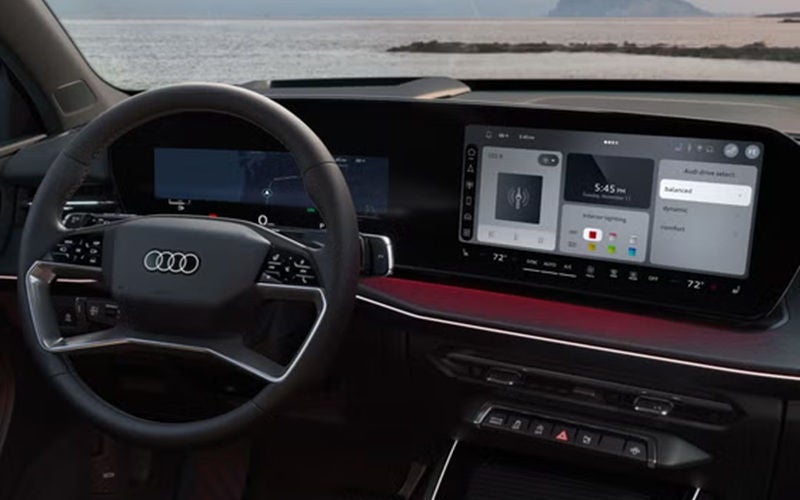
The overall cabin architecture follows the Audi driver-oriented design philosophy, positioning primary controls and displays within the driver's natural field of vision and reach. Rather than distributing controls evenly across the dashboard, the centre display, climate controls and switchgear are slightly angled toward the driver. This reduces unnecessary hand movement while keeping important information visible with minimal eye movement away from the road.
The cabin balances several engineering objectives simultaneously:
- Driver ergonomics
- Passenger comfort
- Interior visibility
- Digital integration
- Practical storage
- Structural rigidity
- Noise reduction
These elements are integrated into a cohesive layout rather than functioning as isolated design features. The elevated seating position also improves visibility compared with a conventional passenger car while maintaining the compact proportions that define the Audi Q3. Attention is also given to material placement, dashboard geometry and interior surfaces to create a clean environment that minimizes visual clutter without sacrificing functionality.
Seating and Passenger Comfort
The Audi Q3 uses carefully engineered seating geometry and cabin packaging to maximize comfort during both short and long journeys.
Passenger comfort depends on posture, support and interior dimensions rather than seat cushioning alone.
Front Seating
The front seats are designed to maintain a natural driving position by coordinating:
- Cushion angle
- Backrest contour
- Hip support
- Steering wheel position
- Pedal relationship
Proper seating geometry reduces unnecessary muscle fatigue during extended driving while improving overall vehicle control. Depending on trim level and equipment, front seats may include multiple power adjustments, lumbar support and heating functions that allow occupants to tailor seating position for improved comfort in changing Canadian weather conditions.
Rear Seating
The rear seating area is engineered to provide practical accommodation while preserving cargo flexibility. The rear bench is designed to support comfortable seating through carefully shaped cushions and backrests that help maintain natural posture on longer trips. On Q3 models, the rear seat can slide fore and aft and offers a reclining backrest. This lets occupants prioritize either rear passenger legroom or additional cargo capacity, depending on their needs. This adjustable rear seating system is one of the defining practical characteristics of the Q3 and distinguishes it from many compact premium SUVs with fixed rear seating.
Cabin Space
Rather than simply increasing overall dimensions, Audi engineers focused on maximizing usable interior volume.
Interior packaging provides balanced:
- Headroom
- Shoulder room
- Legroom
- Knee clearance
Large door openings also simplify vehicle entry and exit, particularly when loading children, carrying luggage or entering the vehicle while wearing heavy winter clothing.
Acoustic Comfort
The cabin incorporates sound insulation and body sealing designed to reduce intrusion from:
- Road noise
- Wind noise
- Tire noise
- Powertrain vibration
Lower cabin noise reduces driver fatigue on longer journeys.
Digital Controls and Connectivity
The Audi Q3 integrates digital technology into the cabin while maintaining intuitive operation and minimizing driver distraction.
Technology is positioned to remain easily accessible without overwhelming the driver.
Audi Virtual Cockpit
Depending on trim level, the Audi Virtual Cockpit replaces traditional analogue gauges with a configurable digital instrument display.
This display can present information such as:
- Vehicle speed
- Navigation guidance
- Driver assistance status
- Trip information
- Media information
Displaying multiple information sources within the driver's primary viewing area reduces the need to look toward the centre display.
MMI Touch Display
The centrally mounted MMI touchscreen serves as the primary interface for infotainment functions. Its elevated dashboard position allows drivers to access information while minimizing downward eye movement.
Depending on equipment, the display supports:
- Audio controls
- Navigation
- Smartphone integration
- Vehicle settings
- Climate-related information where applicable
Smartphone Connectivity
Compatible smartphone integration allows supported mobile applications to interact with the vehicle's infotainment system. This integration reduces the need to handle mobile devices while driving and keeps commonly used functions accessible through the vehicle interface.
Climate Controls
Unlike fully touch-based systems, the Q3 retains dedicated physical climate controls.
These controls provide:
- Immediate tactile feedback
- Simplified operation
- Reduced distraction
- Easier adjustment while wearing gloves during Canadian winters
USB Charging and Connectivity
Conveniently positioned USB connections help occupants keep compatible devices charged while maintaining organized cable management throughout the cabin.
Cargo Space and Storage
The Audi Q3 is engineered to provide flexible cargo management while maintaining passenger comfort.
Cargo usability depends on configuration flexibility, not maximum volume alone.
Rear Cargo Area
The rear luggage compartment provides a flat loading area designed for everyday transportation needs.
Its wide opening accommodates items such as:
- Grocery bags
- Luggage
- Sports equipment
- Strollers
- Shopping purchases
- Travel accessories
The relatively low lift-over height also reduces loading effort.
Adjustable Rear Seating
Because the rear seat slides forward and backward, owners can adjust interior space according to current priorities. Moving the rear seat forward increases luggage capacity. Moving it rearward improves passenger legroom. This flexibility allows the Q3 to adapt quickly between passenger transport and cargo hauling.
Folding Rear Seatbacks
The split-folding rear seatbacks expand cargo capacity while leaving one or more rear seating positions available. This supports transportation of longer objects without eliminating rear passenger accommodation entirely.
Interior Storage
Numerous storage compartments improve organization throughout the cabin.
Examples include:
- Centre console storage
- Door pockets
- Cup holders
- Glove compartment
- Smartphone tray
- Small-item storage areas
Distributing storage locations throughout the interior reduces clutter while keeping frequently used items accessible.
Everyday Ownership Experience
The Audi Q3 is engineered to remain practical as daily transportation needs change.
Its compact exterior dimensions combined with efficient interior packaging make the Q3 suitable for:
- Urban commuting
- Highway travel
- Weekend trips
- Business transportation
- Family errands
Urban Driving
The elevated seating position and excellent outward visibility assist during:
- Parking
- Lane changes
- Urban intersections
- Tight manoeuvring
Winter Use
Canadian ownership places additional demands on interior design.
The cabin accommodates occupants wearing:
- Heavy coats
- Winter boots
- Gloves
- Hats
Heated seating, climate management and ergonomic controls further support everyday winter operation.
Daily Convenience
Well-positioned storage areas allow occupants to organize:
- Smartphones
- Wallets
- Water bottles
- Charging cables
- Small personal items
This organization contributes to a cleaner, more functional cabin during daily driving.
Long-Term Practicality
The Audi Q3 interior is designed to remain functional through years of everyday use.
Long-term usability depends on engineering decisions that preserve comfort and convenience beyond initial ownership.
Key factors include:
- Durable seating materials
- Ergonomic control placement
- Flexible seating configuration
- Adjustable cargo space
- Integrated digital systems
Routine maintenance of interior systems—including cabin air filter replacement, seat adjustment mechanisms, climate control operation and infotainment software updates performed according to Audi recommendations—helps preserve cabin functionality. Keeping storage areas clean and inspecting seat mechanisms periodically also supports reliable operation throughout the vehicle's service life.
2026 Audi Q3: Modern Luxury
The Audi Q3 shows that premium interior design comes from thoughtful engineering, not appearance alone. By combining ergonomic seating, adjustable rear passenger space, flexible cargo management, intuitive digital interfaces and carefully organized storage solutions, the Q3 delivers a cabin specifically designed for everyday Canadian ownership.
Its driver-focused dashboard, configurable rear seating, practical cargo area and integrated technology create an interior that adapts easily to commuting, family transportation, business travel and recreational activities. Together, these elements make the Audi Q3 interior distinct within the compact premium SUV segment while supporting comfort, usability and long-term practicality.
2026 Audi Q3 FAQ
1. What makes the Audi Q3 interior different from many compact premium SUVs?
This luxury SUV combines a driver-oriented dashboard, sliding and reclining rear seats, configurable cargo space and integrated digital technology into a cabin engineered for both comfort and everyday practicality.
2. Can the rear seats be adjusted?
Yes. All models feature a sliding and reclining rear bench, allowing owners to balance passenger legroom and cargo capacity as transportation needs change.
3. How does the Audi Virtual Cockpit improve the driving experience?
It displays essential vehicle information within the driver's primary field of vision, reducing the need to look away from the road.
4. Is the Audi Q3 practical for Canadian winters?
Yes. Its elevated seating position, ergonomic cabin layout, available heated seating, intuitive climate controls and flexible passenger space help support comfortable winter driving and everyday usability.
5. How does the Q3 maximize cargo flexibility?
The combination of a sliding rear seat, split-folding seatbacks, a flat cargo floor and multiple interior storage compartments allows the cabin to adapt efficiently to changing passenger and cargo requirements.
*Disclaimer: Content contained in this post is for informational purposes only and may include features and options from US or internacional models. Please contact the dealership for more information or to confirm vehicle, feature availability.*
*Disclaimer: Content contained in this post is for informational purposes only and may include features and options from US or internacional models. Please contact the dealership for more information or to confirm vehicle, feature availability.*